
A unique wine experience in every post.
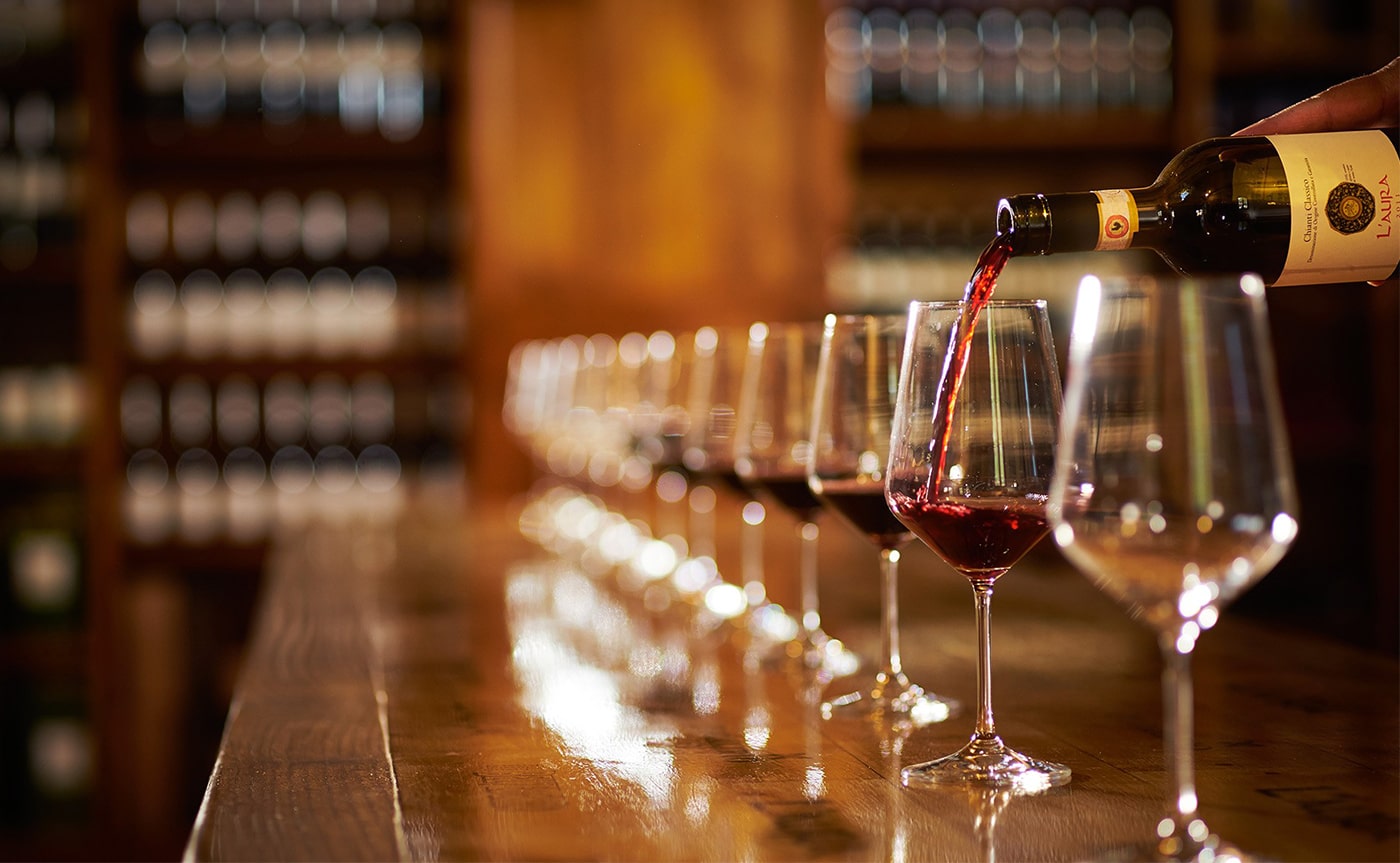
Wine tasting is more than just sipping from a glass — it’s an experience, a language, and a celebration of craftsmanship. Each bottle holds a story of soil, climate, grape variety, and the people who nurture it. Whether you’re just beginning your wine journey or refining your palate, learning to taste wine properly opens the door to a richer appreciation of flavor and tradition.
Step 1: Observe the Color
Begin by examining your wine. Hold your glass against a white background and notice the hue. The color gives away a lot about the wine’s age and body.
Step 2: Swirl and Smell
Swirling the wine allows oxygen to awaken its aromas. Bring your nose close and take a gentle sniff. Each wine has a complex bouquet — fruity, floral, herbal, or earthy. A Sauvignon Blanc might smell like green apple and citrus, while a Shiraz offers black pepper and ripe plum.
Step 3: Sip and Savor
Take a small sip, let it coat your tongue, and notice how it feels — is it light or full-bodied? Sweet or dry? Smooth or tannic? Good wine often has balance, where no single element overpowers another.
Step 4: Reflect and Enjoy
Every glass tells a story. Note your impressions and preferences — it helps refine your taste over time. Remember, there’s no right or wrong answer in wine tasting; it’s about personal discovery and enjoyment.
Conclusion
Wine tasting is an art that grows with experience. The more you taste, the more you learn to recognize patterns, regions, and winemaking styles. So, open a bottle, invite friends, and start your own tasting journey — one sip at a time.
Red Wine Creator